Home How to Save
Smart Economics

Grow More.
Spend Less.

A well-managed home garden is a financial asset. Here's every strategy — from seed saving to high-value crop selection — to maximise your return.

How Much Will You Save?

Adjust the sliders to match your situation and see your projected annual savings from growing your own food.

The average GardeningAwareness household saves $900–$1,400 per year. High-value crops like herbs, tomatoes, and salad greens deliver the best return per square foot.

10 sq ft500 sq ft
1 crop6 crops
Estimated Annual Savings
$300
Based on average supermarket prices
Money-Saving Strategies

Proven Ways to Save More

🌱

Seed Saving

Harvest and store seeds from your healthiest plants each season. One heirloom tomato yields enough seeds for dozens of plants next year — completely free. Learn the dry and wet processing methods for different plant families.

Saves: $50–$200/year
♻️

Composting

Turn kitchen scraps and garden waste into premium fertiliser worth $8–$15 per bag at garden centres. A simple three-bin system produces enough compost for an average garden at zero cost within 8–12 weeks.

Saves: $100–$300/year
🌧️

Rainwater Collection

A 200-litre water butt connected to a downpipe can collect enough water to irrigate a 50-square-foot bed through a dry summer, eliminating mains water usage for your garden entirely.

Saves: $80–$150/year
🤝

Seed Swapping

Gardening communities and local seed libraries let you access hundreds of varieties without spending a penny. One packet of seeds can be shared among four families, cutting costs by 75% immediately.

Saves: $40–$120/year
🏺

Preserve & Store

Canning, freezing, pickling, and drying extend your harvest through winter months when produce prices peak. A single glut of tomatoes can yield sauce, salsa, and passata to last six months.

Saves: $200–$500/year
📐

Succession Planting

Instead of one big harvest, stagger plantings every 2–3 weeks for continuous yield. This reduces waste from gluts and ensures you're always harvesting rather than buying from shops.

Saves: $100–$250/year
Return on Investment

Highest-Value Crops to Grow

CropCost to GrowStore PriceYield per PlantAnnual SavingROI
Fresh Basil$0.50$4.00/bunch12+ bunches$47/plantExceptional
Cherry Tomatoes$1.50$5.00/lb10–15 lbs$60/plantExceptional
Salad Leaves (cut-and-come-again)$0.30$4.50/bag20+ harvests$88/plotExceptional
Zucchini$0.80$2.00/lb15–25 lbs$38/plantVery High
Kale$0.40$3.50/bunch15+ bunches$51/plantVery High
Garlic$0.30/bulb$1.50/bulb1 bulb → 8 bulbs$9.60/startHigh
Carrots$0.20$1.80/lb5–8 lbs/row$10/rowModerate

Buy Cheaper at These Local Sources

You don't have to pay full retail for plants, seeds, or flowers. Detroit and Southeast Michigan gardeners have some of the best bargain sources in the Midwest — you just need to know where to go, and when.
⭐ Detroit's Best Kept Secret

Eastern Market Detroit:
Flower Flats at Fraction of Retail

  • Buy entire flats of annuals for $5–$15 at end-of-day Saturday sales
  • End-of-season clearance drops prices by 50–80% — arrive after 11am
  • Wholesale vendors sell direct to public — no nursery markup
  • Perennials, vegetable starts, herbs, and bedding plants all available
  • Detroit's oldest public market — open year-round, flower season April–July
See all 12 Eastern Market Buying Tips  →
Eastern Market Detroit flowers
🏛️ Detroit · Seasonal

Eastern Market Detroit

  • Arrive after 11am Saturday for end-of-day flat discounts
  • Full flats of impatiens, petunias, marigolds from $5–$12
  • Vendor stalls sell wholesale to the public — no middleman
  • Late May to early June: best selection and pricing of the year
  • Bring cash — most vendors don't take cards
  • Heirloom tomato starts and rare herb varieties hard to find elsewhere
→ Full guide: 12 deals
🏬 Year-Round

Big Box Stores

  • Home Depot & Lowe's mark down plants 50–75% in late summer clearance
  • Check the "death rack" — wilted plants revive easily with water & repotting
  • Bulk bags of soil, mulch & fertiliser are cheapest per cubic foot here
  • Perennial clearance in August — plants that come back for free next year
  • Buy bare-root roses and fruit trees in late fall at steep discounts
  • Garden tool sales run Black Friday through February
Saves: 50–75% vs garden centres
🛒 Community · Local

Local & Ethnic Markets

  • Mexican & Asian grocery stores carry herb starts at a fraction of nursery prices
  • Buy live grocery-store herbs (basil, mint, cilantro) and pot them up
  • Local Lebanese & Middle Eastern markets stock unusual seed varieties
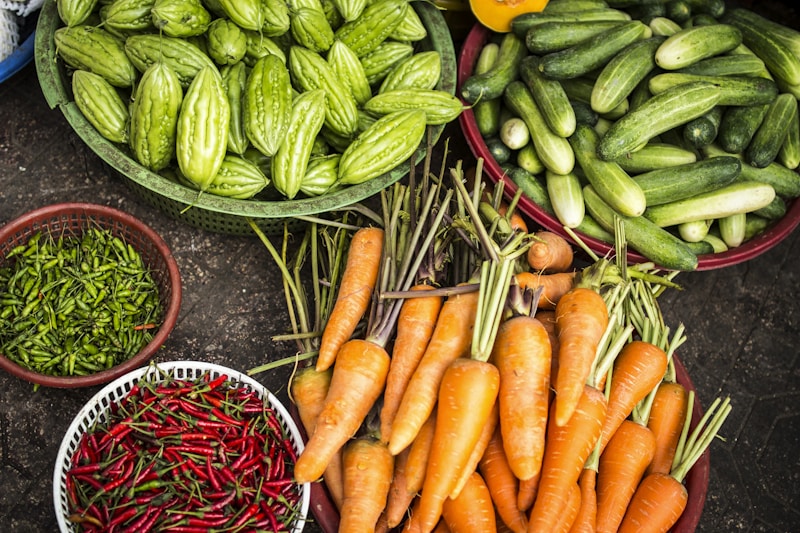
  • Ethnic markets often carry specialty peppers, bitter melons & daikon seeds
  • Check produce sections for garlic, ginger & turmeric to propagate at home
  • Community Facebook groups list free & discounted plant shares weekly
Herb starts from $0.99 vs $4.99
🛤️ Spring & Summer

Roadside Plant Stands

  • Home growers sell surplus seedlings for $1–$2 vs $5–$8 at nurseries
  • Plants are often hardened off locally — better adapted to your climate
  • Cash-only, honour-system stands offer the lowest prices of all
  • Heirloom and unusual varieties not found in any store
  • Ask to see the parent plants — you know exactly what you're buying
  • Many sellers give seeds & cuttings for free if you ask nicely
Seedlings from $0.50–$2.00
🧺 Weekly · Seasonal

Farmers Markets

  • Arrive at closing time (30–60 min before end) for deep discounts on unsold starts
  • Growers prefer to sell cheap than haul plants back — ask for deals
  • Build relationships with vendors for first pick & better prices each week
  • Buy bunches of herbs to propagate by rooting in water at home
  • Seed packets from small local growers are often $1–$2 vs $4–$6 in stores
  • Fall markets sell garlic seed heads and perennial divisions cheaply
Closing-time discounts: 30–60% off
Extend Your Harvest

Preserve Year-Round

Four methods to make your summer abundance last through winter.

🥫

Canning

Water-bath and pressure canning lock in flavour and nutrients for up to two years. Ideal for tomatoes, jams, pickles, and sauces.

❄️

Freezing

Blanch and freeze most vegetables in minutes. Beans, peas, corn, and herbs retain 80%+ of their nutrients and last 12 months.

🧂

Pickling

Fermentation and vinegar pickling add probiotic value while extending shelf life. Cucumbers, cabbage, and onions excel here.

☀️

Drying

Dehydrate herbs, chillies, and tomatoes. Dried herbs store for 1–3 years and are worth 10× their weight in shops.