Home Chemical vs Organic Food
Most Important Read · Deep Dive

Chemical vs Organic Food:
What You're Really Eating

Conventional farming floods your food with pesticides, synthetic nitrates, and growth chemicals. Here's the complete picture — what the research says, what's really in your produce, and how growing organically changes everything.

15 min read
38 studies referenced
Updated 2026

Bottom line: Homegrown organic food contains up to 40% more antioxidants, zero pesticide residues, and costs a fraction of organic store prices. The evidence is overwhelming — growing your own is the safest food choice available.

Start transitioning →
The Full Picture

Chemical vs Organic: Side by Side

Category ⚠ Chemical / Conventional ✓ Organic / Homegrown
Pesticide ResiduesUp to 67 different pesticide residues found on a single sample of conventional strawberries. Residues persist through washing and cooking.Zero synthetic pesticide residues. Natural deterrents (neem, pyrethrin) break down within days and leave no residue at harvest.
Nutrient DensitySoil depletion and fast-growing varieties bred for shelf life reduce vitamin C, iron, and antioxidant content by 15–40% vs 50 years ago.Organically grown produce averages 19–69% higher in antioxidants. Harvested at peak ripeness, nutrients are at their maximum.
Soil HealthSynthetic NPK fertilisers kill beneficial soil fungi and bacteria over time. Soil becomes chemically dependent, requiring ever-larger inputs.Compost and organic matter feed the soil food web. Beneficial fungi (mycorrhizae) extend root reach, improving water and nutrient uptake naturally.
Synthetic NitratesNitrate runoff contaminates groundwater. Excess dietary nitrates convert to nitrosamines in the body — linked to colorectal cancer in multiple studies.Organic nitrogen from compost releases slowly via microbial activity. No nitrate spikes. Leafy vegetables contain safe, naturally balanced nitrate levels.
Long-Term HealthChronic low-level pesticide exposure is linked to disrupted hormones, neurological effects in children, and increased cancer risk with cumulative exposure.Organic diet studies show significantly lower pesticide metabolites in urine within days of switching. Children on organic diets show measurably better neurodevelopmental outcomes.
Environmental ImpactAgricultural pesticides are responsible for a 75% decline in flying insect populations since 1990. Herbicides destroy field-margin biodiversity.Organic growing supports pollinators, builds soil carbon, and reduces water contamination. A single organic garden is a net-positive ecosystem contribution.
Taste & FlavourVarieties bred for uniformity, transport durability, and long shelf life — not flavour. Picked underripe, flavour compounds never fully develop.Heirloom and flavour-first varieties harvested at full ripeness. Higher sugar, acid, and aromatic compound content consistently rated superior in blind taste tests.
CostCheap conventionally — expensive long-term when healthcare costs, soil remediation, and environmental damage are factored in.Homegrown organic costs pennies per serving once established. Initial setup is the only significant investment.
The Chemical Reality

What's Actually in Your Supermarket Vegetables

The average conventionally grown vegetable in a supermarket has been treated with multiple synthetic inputs from seed to shelf — fungicides, insecticides, herbicides, synthetic fertilisers, and post-harvest preservatives. By the time it reaches your plate, the journey looks nothing like food should.

Documented Concern

The EWG's 2024 Shopper's Guide found pesticide residues on 75% of all non-organic produce tested. Strawberries contained up to 22 different pesticides in a single sample. These residues are not eliminated by washing.

Children at Higher Risk

Pound-for-pound, children consume more pesticide residues than adults and are far more vulnerable to neurodevelopmental disruption. The American Academy of Pediatrics has specifically recommended reducing pesticide exposure in children's diets.

  • Glyphosate found in 80%+ of tested urine samples across the general US population
  • Chlorpyrifos — banned in the EU — still detected in US produce imports
  • Neonicotinoids, linked to bee colony collapse, coat most conventional seed
  • Post-harvest fungicides (thiabendazole, imazalil) penetrate citrus skin — found in orange juice
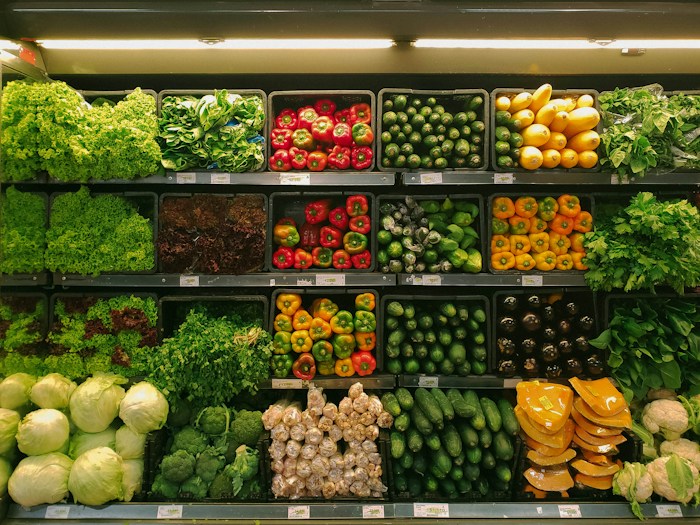
Supermarket vs organic produce
The Organic Advantage

Why Organic Food is Genuinely Better

This isn't marketing. The peer-reviewed evidence for organic produce's nutritional superiority — particularly when homegrown and harvested at peak ripeness — is now substantial and consistent across independent research.

British Journal of Nutrition, 2014

A meta-analysis of 343 peer-reviewed studies found that organic crops contain significantly higher concentrations of antioxidants (19–69% more), lower cadmium, and four times lower pesticide residues than conventional crops.

  • 40% more antioxidants in organic vs conventional produce (University of Newcastle)
  • Organic milk and meat contain 50% more omega-3 fatty acids
  • Polyphenol content (cancer-protective compounds) is consistently higher in organic crops
  • Organic farming builds soil carbon — contributing to climate mitigation
  • Organic fields support 50% more plant, insect, and bird species than conventional
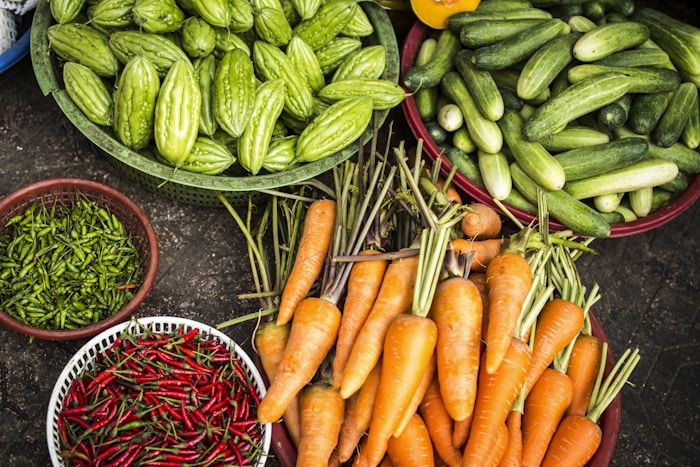
Organic garden harvest
By The Numbers

The Pesticide Residue Reality

75%of conventional produce tested positive for at least one pesticide residue (EWG 2024)
22different pesticides found on a single strawberry sample in EWG testing
5 daysto measurably lower pesticide metabolites in urine after switching to organic diet
0synthetic pesticide residues in certified organic homegrown produce at harvest
Prioritise Your Switch

Dirty Dozen vs Clean Fifteen

If you can't grow everything organically yet, start with the Dirty Dozen — the highest-residue crops where going organic makes the biggest health difference.

The Dirty Dozen

Grow these organically first — highest pesticide residue load, most important to avoid conventionally.

  • Strawberries
  • Spinach
  • Kale & Collards
  • Peaches
  • Pears
  • Nectarines
  • Apples
  • Grapes
  • Bell & Hot Peppers
  • Cherries
  • Blueberries
  • Green Beans
The Clean Fifteen

Lowest pesticide residues — lower urgency to buy organic, but homegrown is still nutritionally superior.

  • Avocados
  • Sweet Corn
  • Pineapple
  • Onions
  • Papaya
  • Frozen Peas
  • Asparagus
  • Honeydew Melon
  • Kiwi
  • Cabbage
  • Mushrooms
  • Mango
  • Sweet Potato
  • Watermelon
  • Carrots
The Root of the Problem

Soil: The Invisible Crisis

Conventional farming has depleted topsoil at an unprecedented rate. A tablespoon of healthy organic soil contains more living organisms than there are people on Earth — synthetic farming kills most of them. What remains is a chemical-dependent growing medium, not living soil.

When you grow organically at home, you're not just growing food. You're rebuilding a living ecosystem. Every season of organic management increases soil biodiversity, water retention, and nutritional output — the exact opposite of conventional farming's trajectory.

  • Organic soil contains 3–6× more beneficial fungal networks than conventionally farmed soil
  • Mycorrhizal fungi extend root access to phosphorus and water — reducing need for irrigation by up to 30%
  • A single season of compost application measurably increases soil carbon and nutrient retention
  • Earthworm populations are 3× higher in organic plots — natural aerators and decomposers
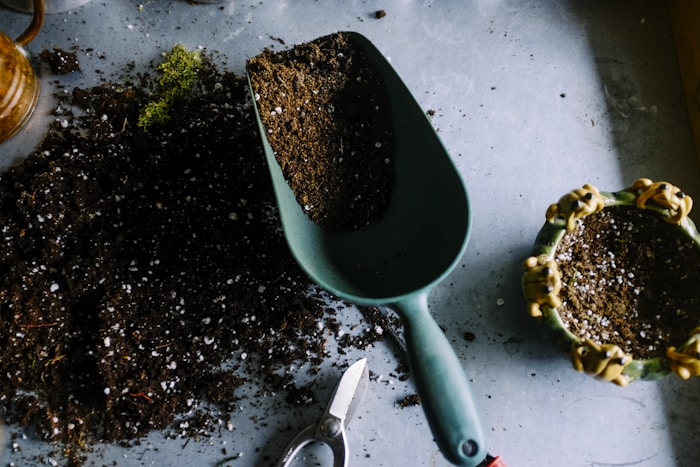
Rich organic soil
Your 5-Step Transition to Organic

You don't have to do everything at once. Start here — each step compounds the last.

1

Start with the Dirty Dozen

Grow your own strawberries, spinach, and kale first — these give the highest health return.

2

Build a Compost Bin

Kitchen scraps become the foundation of your soil health. Start this week — it's free and takes 10 minutes.

3

Stop Synthetic Fertilisers

Replace with worm castings and compost. Results take one season longer — soil life returns permanently.

4

Switch to Organic Pest Control

Neem oil, companion planting, and beneficial insects replace chemical sprays. Ecosystem balance returns within two seasons.

5

Expand Each Season

Add 2–3 new beds annually. Within three years, most families can grow 40–60% of their vegetable needs.

Common Questions

Your Questions Answered

Is organic food actually proven to be healthier?
Yes. Multiple large-scale meta-analyses — including a 343-study review in the British Journal of Nutrition — have found consistent, statistically significant differences in antioxidant content, lower cadmium, and negligible pesticide residues in organic versus conventional produce.
Does washing remove pesticide residues?
Washing reduces surface residues by 10–80% depending on the pesticide. Systemic pesticides (absorbed by the plant's vascular system) cannot be washed off at all — they are inside the fruit or vegetable. Peeling helps for some, but removes fibre and nutrients simultaneously.
Is homegrown always organic?
Not automatically — if you use synthetic fertilisers, pesticides, or treated seeds, homegrown produce can carry residues. True organic gardening means using only approved organic inputs, building soil naturally, and avoiding all synthetic chemicals throughout the growing process.
What about "natural" pesticides like neem oil?
Natural pesticides like neem oil, pyrethrin, and diatomaceous earth are approved for organic use. They degrade rapidly in sunlight, leave no persistent residues, and have significantly lower mammalian toxicity than synthetic equivalents. They're not risk-free, but are far safer than synthetic alternatives.
Can organic yields match conventional?
In well-managed home gardens, organic yields are fully comparable or superior to synthetic-input growing. Commercial organic yields average 20% lower than conventional at scale — but homegrown eliminates transport, storage, and waste losses that mean your effective nutritional yield is higher from less produce.
How quickly will I notice a difference if I grow my own?
Nutritionally and taste-wise, immediately — homegrown produce harvested at peak ripeness is incomparably fresher. From a health perspective, studies show measurably lower pesticide metabolites in urine within 5 days of switching to an organic diet. Soil health improvement compounds each season.
Keep Learning

Related Resources

🥦

Health Benefits of Gardening

Beyond food safety — the full physical and mental health case for growing your own.

🌱

How to Garden Organically

Practical techniques for companion planting, composting, and natural pest control.

💰

How Much Will You Save?

Use our interactive calculator to estimate your annual savings from growing your own food.